Automotive AI
AI for Auto Customization Shops: 9 Workflows for Wrap, Tint, PPF, and Detailing Businesses
Explore 9 practical AI workflows for wrap, tint, PPF, coating, detailing, and automotive restyling shops, from lead response and quote follow-up to production handoffs and owner reporting.
Specialty Integrations11 min read
Auto customization shops do not need AI for the sake of saying they use AI.
They need more leads answered, more quotes followed up, cleaner handoffs between sales and installers, better customer communication, and less time spent chasing information across texts, calls, calendars, photos, and job notes.
That is where AI becomes useful.
For a wrap, tint, PPF, ceramic coating, detailing, or automotive restyling shop, the best AI workflows usually sit around the software you already use. Your CRM, scheduling system, estimating tools, phone system, email, payment platform, and production board should remain the operational backbone.
AI should connect the gaps between them.
Platforms such as Tint Wiz already handle core functions like lead capture, proposals, deposits, scheduling, reminders, project notes, photos, invoicing, and review requests for tint, PPF, wraps, coatings, and related services. shopVOX similarly supports quoting, sales, production, customer management, and job tracking for sign and wrap shops.
The opportunity is not replacing those systems. It is automating the repetitive work that still happens between them. The same pattern shows up in AI automation for auto repair shops, where the software is different but the gaps are familiar.
Here are nine workflows worth evaluating first.
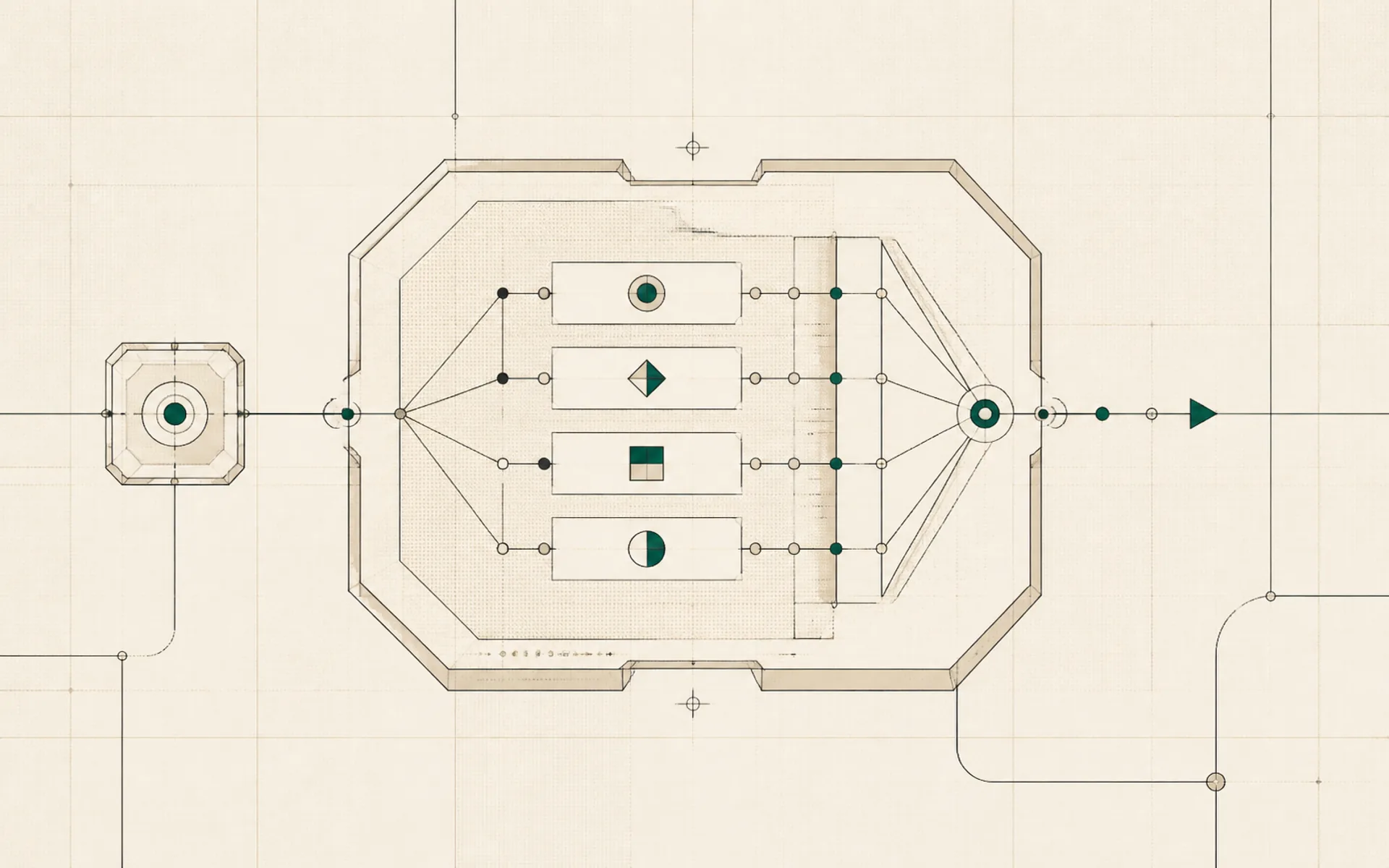
Leads · Phone + Text · CRM · Quotes · Schedule · Production · Photos
The systems already running the shop
AI Workflows
Connective layer between systems and people
Qualification · Follow-Up · Upsells · Summaries · Customer Updates · Marketing · Owner Reporting
Work that gets done consistently instead of occasionally
1. Instant Lead Response and Service Qualification
Most customization shops receive leads from several places at once: website forms, Instagram, Facebook, Google Business Profile, phone calls, text messages, referrals, and walk-ins.
Response speed matters, especially when a customer is shopping multiple tint, wrap, or PPF installers.
A useful AI workflow can respond immediately and collect the information needed to move the lead forward.
LEAD RESPONSE
- New Lead
- AI Responds
- Collects Vehicle + Service Details
- Qualifies
- Quote Task or Consultation
- CRM Updated
What the system can collect
- Year, make, and model
- Requested service
- Full wrap, partial wrap, tint, PPF, ceramic coating, detailing, or another service
- Desired finish or film type
- Color preference
- Timeline
- Budget range when appropriate
- Photos of the vehicle
- Whether the vehicle has existing film, damage, or modifications
2. AI Phone and Text Intake
A customization shop can lose high-intent leads simply because the phone rings while everyone is installing film, wrapping a car, or speaking with a customer in the shop.
An AI phone or messaging agent can cover basic intake when a person is unavailable.
It can answer approved frequently asked questions, collect vehicle information, identify the requested service, explain the next step, and create a callback or scheduling task.
PHONE AND TEXT INTAKE
- Incoming Call or Text
- AI Intake
- Vehicle + Service Details
- Appointment or Sales Task
- CRM + Team Notification
Where the line should sit
For straightforward questions, the AI can provide approved information such as business hours, location, general service categories, warranty basics, or what the customer should bring to an appointment.
Anything involving unusual vehicle conditions, technical installation advice, damage, warranty disputes, or custom pricing should route to a person.
3. Quote and Proposal Follow-Up
Many auto customization shops are good at generating quotes and inconsistent at following up with them.
A customer asks about a four-thousand-dollar color-change wrap. The shop spends time reviewing the vehicle, discussing materials, preparing a proposal, and sending it.
Then nothing happens.
An AI workflow can monitor open proposals and trigger structured follow-up.
QUOTE FOLLOW-UP
- Proposal Sent
- Wait
- Check Status
- Personalized Follow-Up
- Customer Reply
- Sales Task
Why context matters
The follow-up can use approved context such as the vehicle, requested service, product option, timeline, and previous conversation.
A PPF quote should not receive the same follow-up as a tint quote or full wrap.
The system can also stop automated follow-up as soon as the customer replies and route the conversation back to the salesperson.
4. AI-Powered Upsell and Package Recommendations
Customization shops often sell services that naturally complement one another.
A customer booking a full wrap may also be a good candidate for ceramic coating on the film. A customer purchasing front-end PPF may want window tint. A tint customer may be interested in windshield protection, coatings, detailing, or other services the shop offers.
AI can help identify relevant cross-sell opportunities based on the job already being quoted or booked.
PACKAGE RECOMMENDATION
- Customer + Vehicle + Selected Service
- AI Reviews Approved Service Rules
- Suggested Add-On
- Salesperson Reviews
- Customer Offered Package
Full Wrap
Ceramic coating recommendation on the film.
Front PPF
Window tint recommendation.
Paint Correction
Ceramic coating recommendation.
New Vehicle
PPF and tint package.
5. Photo and Vehicle Intake Summaries
Customization projects frequently begin with a collection of photos, notes, DMs, text messages, and phone conversations.
By the time the car reaches production, the installer may need to reconstruct what the customer actually requested.
AI can help organize approved intake information into a standardized vehicle brief.
VEHICLE BRIEF
- Customer Photos + CRM Notes + Quote + Messages
- AI Summary
- Human Review
- Job File
What the brief might include
- Vehicle year, make, model, and color
- Services purchased
- Selected film, finish, or package
- Customer expectations
- Existing wrap or tint
- Visible body damage noted during intake
- Badges, trim, spoilers, aftermarket parts, or other considerations
- Special instructions
- Pickup expectations
- Open questions requiring confirmation
6. Sales-to-Installer Production Handoff
The salesperson often has information that never reaches the technician cleanly.
The customer changed the finish during a phone call. A mirror is being replaced before installation. The customer does not want badges reinstalled. The vehicle has an aftermarket body kit. The customer needs the car back before a specific event.
These details can be buried in CRM notes or message threads.
When a job moves into production, AI can create a standardized installer brief. Connecting the CRM, quoting tool, and production board is the practical side of AI integration services.
PRODUCTION HANDOFF
- Approved Job
- CRM + Quote + Notes + Photos
- AI Production Brief
- Human Review
- Installer
7. Customer Status Updates Without Constant Phone Calls
Customers get anxious when their car is in the shop for a multi-day wrap, PPF, coating, or customization project.
The office then spends time answering questions like whether the car is done yet, how the wrap is going, and whether it can be picked up today.
A workflow can turn production-stage changes into customer communication.
STATUS COMMUNICATION
- Job Status Updated
- AI Drafts Approved Update
- Human Review or Automatic Send
- Customer Notified
Stages worth communicating
- Vehicle checked in
- Prep complete
- Installation in progress
- Quality control
- Ready for pickup
8. Reviews, Referrals, and Before-and-After Content
Customization businesses are unusually visual.
Every finished wrap, tint job, PPF install, coating, or detail can become marketing content.
That creates a strong opportunity for a post-job workflow.
POST-JOB MARKETING
- Job Completed
- Satisfaction Check
- Review Request
- Photo Selection
- Social Content Draft
What the workflow can prepare
- Google Business Profile post copy
- Instagram caption
- Facebook post
- Short project description
- Website gallery description
- Email feature
9. Daily Owner and Sales Intelligence Brief
Customization shop owners often have the same problem as other service businesses: plenty of software, but no concise view of what needs attention.
Leads are in one system. Calls and texts are somewhere else. Quotes are waiting for follow-up. Vehicles are in production. Deposits and balances are outstanding.
An AI owner brief can pull together the exceptions that matter.
OWNER BRIEF
- CRM + Calls + Quotes + Schedule + Production
- AI Analysis
- Daily Owner Brief
What a useful brief includes
- New leads
- Leads not contacted
- Quotes awaiting follow-up
- High-value open proposals
- Tomorrow installations
- Jobs with missing information
- Vehicles delayed in production
- Customers requiring updates
- Outstanding balances
- Review opportunities
SEE THIS IN YOUR BUSINESS?
Let’s find where better systems could create leverage.
Start an Operating AssessmentWhere AI Fits With Tint, Wrap, and PPF Shop Software
Many specialized platforms already automate important parts of the customer journey.
Tint Wiz, for example, supports contact and project management, lead forms, proposals, deposits, appointments, reminders, notes, photos, payments, invoicing, review requests, and analytics across services including tint, PPF, wraps, coatings, and detailing.
That is a good thing. AI should not rebuild functions your existing software already handles well.
Instead, look for the gaps.
- A customer DM that still has to be copied into the CRM.
- A quote that sits untouched after it is sent.
- A salesperson note that never reaches the installer.
- A customer asking for an update because the production status never triggered communication.
- A completed job that never becomes a review or piece of content.
- A dashboard the owner rarely checks because it takes too long to interpret.
That is where AI can create leverage.
What Should an Auto Customization Shop Automate First?
Do not begin with the most complicated AI agent you can build.
Start with the workflow where the business case is easiest to measure. For many shops, that will be lead response, quote follow-up, or the sales-to-production handoff.
Those workflows happen frequently, affect revenue or labor directly, and are easy for the team to understand. Scoping the first build is the core of AI implementation services, and choosing between competing opportunities is where AI consulting services earn their keep.
- How many leads were contacted faster?
- How many proposals received follow-up?
- How many additional jobs were recovered?
- How much office time was removed?
- How many production questions were eliminated?
AI for Auto Customization Shops Should Create Leverage
The goal is not to automate the craft.
The wrap installer still needs to wrap the car. The tint technician still needs to install the film. The PPF installer still needs precision and experience.
AI is more useful around the work. It can help the shop respond faster, organize information, follow up more consistently, communicate with customers, turn finished work into marketing, and give management better visibility.
NEXT STEP
Find the Highest-Value AI Workflows in Your Shop
Specialty Integrations helps wrap, tint, PPF, detailing, and automotive customization shops connect AI to the sales, customer, and production workflows they already use.
The best place to start is not choosing an AI tool. It is identifying where leads, information, and employee time are falling through the cracks today.
Book An IntroSpecialty Integrations
AI Implementation Team